International Security Studies
Dates: July 1-18, 2026 (In-country travel)
Credits: 12 ECTS credits, ~ 6 U.S. credits
Cost: $7,950 USD


The World Needs People Who Understand International Security
From diplomacy and defense to cybersecurity, intelligence, and international cooperation, today’s security challenges demand thoughtful, globally minded leaders.
The International Security Studies program is built around three complementary goals. First, students develop a strong academic foundation in the theory and history of international conflict, exploring both enduring security questions and the emerging challenges impacting today’s world.
Second, they connect that learning with professional practice through direct engagement with the institutions, policymakers, practitioners, and policy communities working to address those challenges. Private briefings, institutional visits, and policy dialogue reveal how international security decisions are made—and how classroom concepts are applied in real-world settings.
Third, the program helps students prepare for the future. Through career exploration, professional mentoring, and exposure to a wide range of international careers, participants gain practical insight into graduate study, internships, and professions in government, international organizations, nonprofits, research institutions, and the private sector. Along the way, they strengthen their résumés, expand their professional networks, and begin to envision the many directions an internationally focused career can take.

Meet the people. Join the conversations. Experience the institutions.
If you're ready to see international security from the inside, we invite you to join us in Strasbourg.
Base Schedule
Pre-Travel Study
Complete assigned readings, essays, hot takes, and other preparatory coursework to build a strong foundation before departure.
In-Country Program
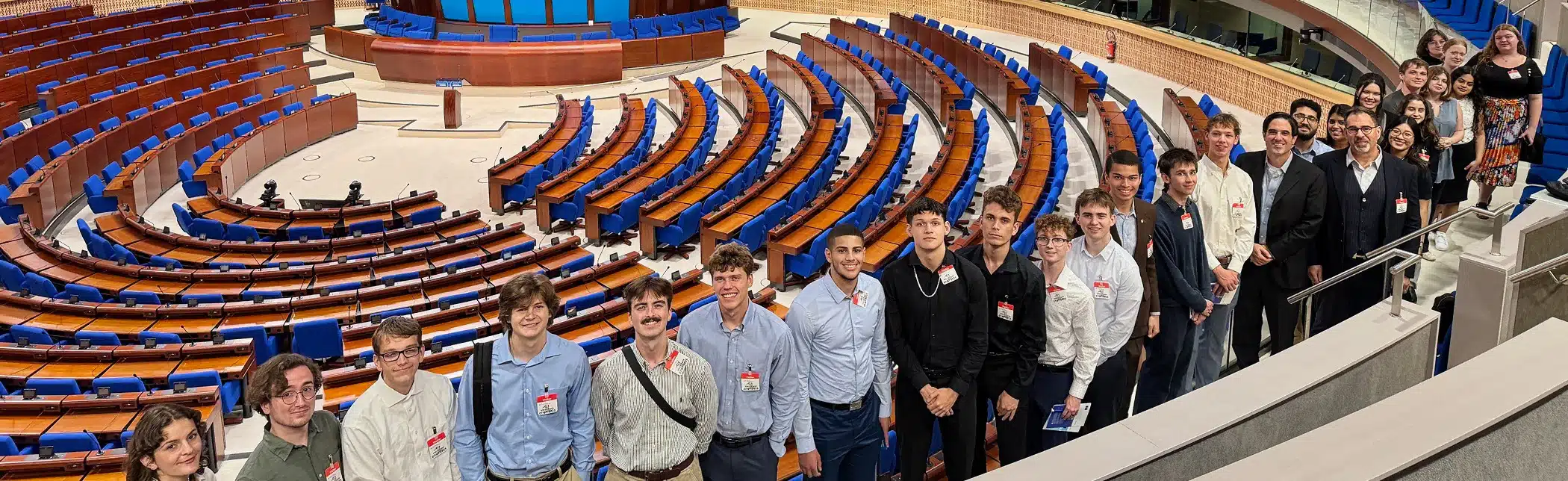
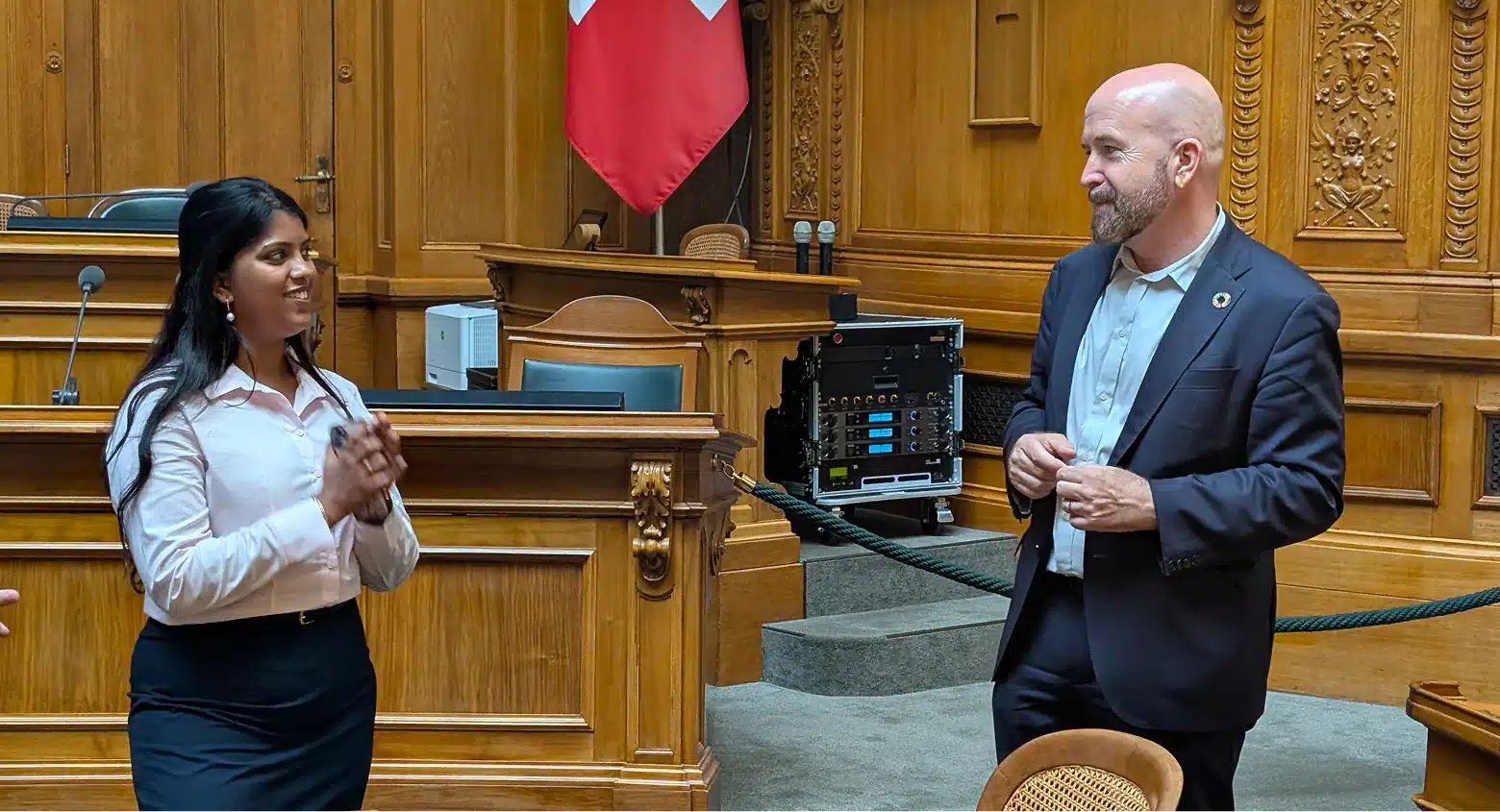
Immersive study abroad in Switzerland, Belgium, and France, combining accredited coursework with site visits, lectures, and cultural experiences. Site visits include NATO Headquarters, the European Parliament, the Council of Europe, Hackenberg Fortress (Maginot Line), and the Swiss Parliament. Evenings and weekends are free for homework and independent exploration.
Capstone Policy Paper
Synthesize your learning into a final policy paper, providing a tangible academic product and portfolio piece.
The Questions You’ll Explore
International Security Studies invites students to wrestle with some of the defining questions of our time.
- What causes conflict between nations?
- How do diplomacy and international institutions prevent or resolve conflict?
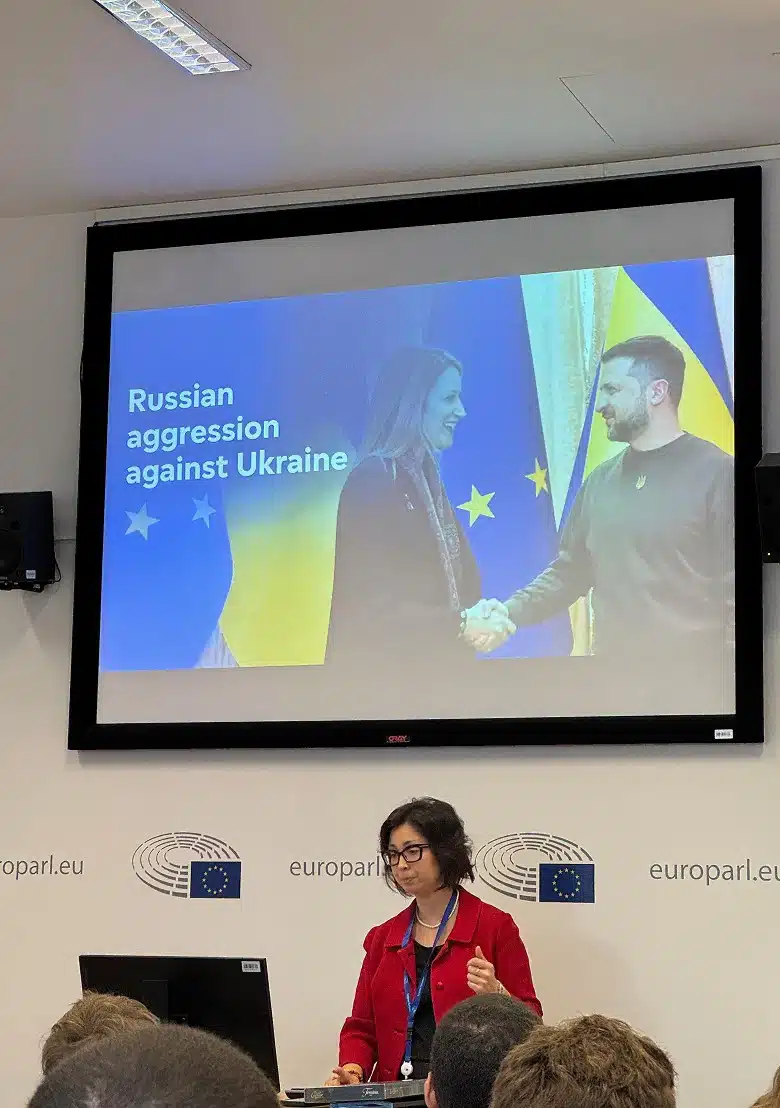
- What roles do NATO and other international organizations play in global security?
- How are cybersecurity, intelligence, and emerging technologies reshaping international affairs?
- How might governments respond to evolving global threats while protecting democratic values?
We also examine environmental governance, biodiversity and conservation, sustainability, international environmental law, climate policy, and other contemporary environmental challenges.
Professional Development for International Careers
An Arclight education is designed to help students discover what’s possible. Through conversations with diplomats, military officers, policy experts, and nonprofit leaders, participants gain firsthand insight into the many paths that lead to careers in international affairs. As practitioners share their professional journeys, students begin to see themselves in these roles and develop a clearer understanding of the opportunities ahead.
Structured career development activities complement these conversations, helping students explore their options, prepare for graduate study, and take their next steps with confidence.
Participants leave with:
- Understanding of the many career pathways available in diplomacy, international organizations, government, nonprofit leadership, and related fields.
- Firsthand insight from experienced practitioners who share the professional journeys that shaped their own careers.
- Greater confidence envisioning themselves in international leadership roles and the steps required to pursue them.
- Practical tools for future success, including guidance for graduate study, internships, applications, interviews, and professional communication.
- Professional relationships with practitioners and peers that continue well beyond the program.
- A foundation for building a meaningful career in international affairs.
Student Testimonials


Frequently Asked Questions
Who should apply?
This program is designed for students studying international relations, political science, security studies, public policy, history, law, intelligence, public administration, and related disciplines.
Students from other academic backgrounds with a strong interest in international affairs are also encouraged to apply.
Will this program help me find a job after graduation?
While no program can guarantee employment, many ISS alumni credit their experience with helping them land internships, graduate school placements, and even first jobs in government, law, and international organizations. Employers recognize the weight of studying security issues directly with practitioners at NATO, the European Union Parliament, and other global institutions.
How does the program prepare me for my career?
ISS bridges academic study with practical engagement. You’ll not only master theories of conflict and cooperation but also test them against the lived experience of diplomats, military leaders, and policymakers. The capstone policy paper gives you portfolio-ready work, while networking opportunities connect you with professionals in diplomacy, defense, and international law.
What careers do alumni pursue?
ISS alumni have gone on to careers in diplomacy, defense, international law, humanitarian organizations, think tanks, and public service. The blend of applied academics and insider access gives them a competitive edge in these fields.
Who will we meet during our time abroad?
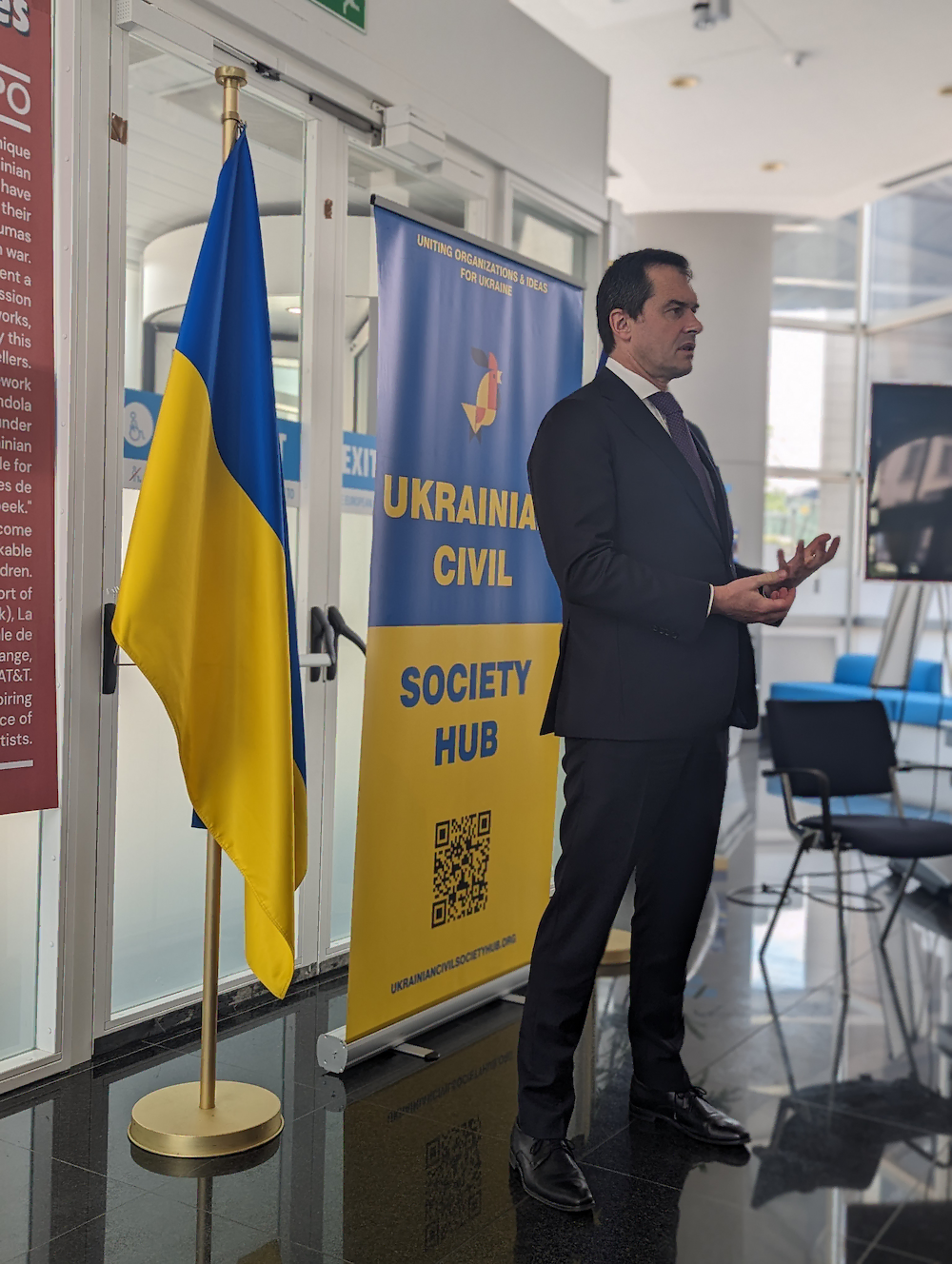
Past cohorts have met with an extraordinary range of leaders: Nobel Peace Prize winner Oleksandra Matviichuk, Ukrainian ambassadors to the UN and EU, members of the Swiss and Canadian parliaments, senior officers in the Swiss and NATO militaries, UN weapons inspectors, EU parliamentarians, US State Department officials, and leading experts in terrorism and humanitarian law.
What site visits and events are included?
The ISS itinerary is unmatched. Students spend time at the United Nations headquarters in Geneva, the Council of Europe in Strasbourg, the European Union Parliament in Brussels, and NATO Headquarters — an invitation-only experience that few students ever access. Along the way, you’ll also explore Swiss Parliament in Bern, the historic Hackenberg Fortress on the Maginot Line, and cultural highlights like Chillon Fortress and the Montreux Jazz Festival.
What should I bring for classes?
Pack a laptop, notebooks, and writing utensils for assignments, plus any readings provided before departure. Reliable Wi-Fi is available throughout the chateau, so you’ll want your laptop handy for research, writing, and group projects.