Global Environmental Politics
Dates: July 4 – 31, 2027
Credits: Two 3 – credit courses, total 6 U.S. credits
Cost: $7,150 USD


Addressing the Defining Challenge of the Twenty-First Century
Climate change is reshaping economies, communities, public health, international security, and global development. Addressing these interconnected challenges requires collaboration among governments, international organizations, researchers, and communities working across national borders.
The Global Environmental Justice program is built around three complementary goals. First, students develop a broad academic foundation in climate change, environmental governance, sustainable development, and environmental justice, exploring the policy questions shaping today’s world.
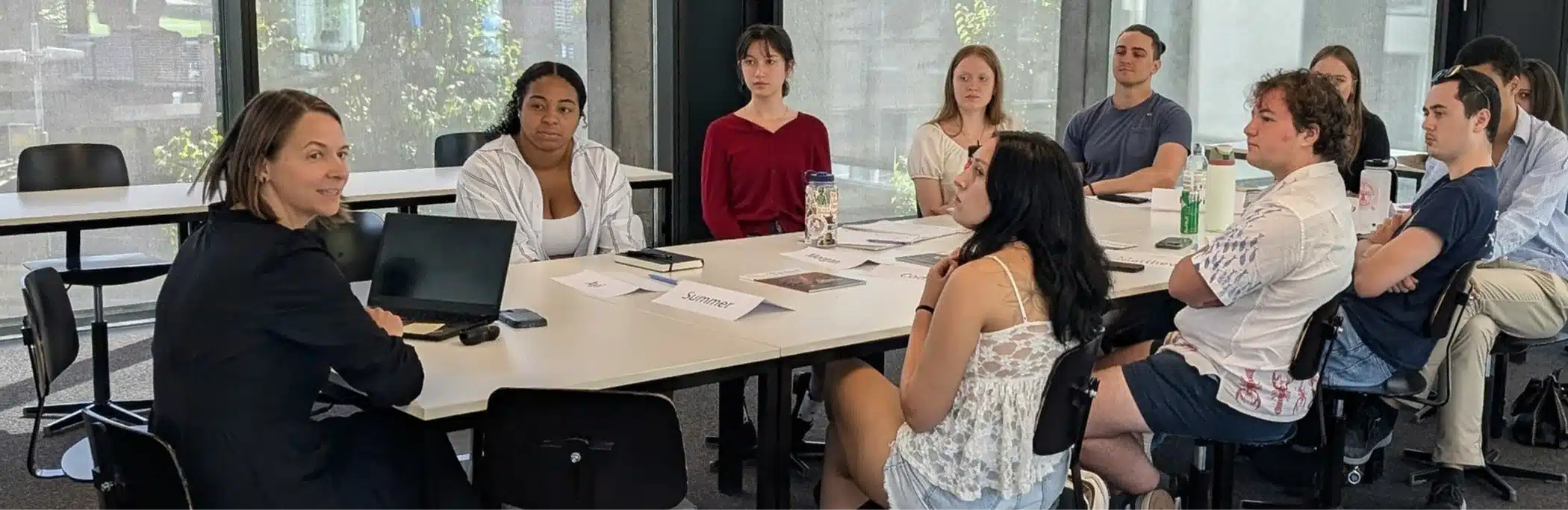
Second, they connect that learning with professional practice through direct engagement with the institutions, practitioners, researchers, and policy communities working to address global environmental challenges. Seminars, policy dialogue, institutional visits, and private briefings demonstrate how international environmental policy is developed, negotiated, and implemented across sectors and borders.
Third, the program helps students prepare for the future. Through career exploration, professional mentoring, and exposure to a wide range of environmental careers, participants gain practical insight into graduate study, internships, and professions in government, international organizations, nonprofits, research institutions, and the private sector. Along the way, they strengthen their résumés, expand their professional networks, and discover how their interests can contribute to international efforts toward a more sustainable and just future.
Our Environmental Future Need Today's Leaders
If you're ready to understand how environmental challenges become international solutions, we invite you to join us in Strasbourg.
Base Schedule
Pre-Travel Study
Complete assigned readings, essays, hot takes, and other preparatory coursework to build a strong foundation before departure.
In-Country Program
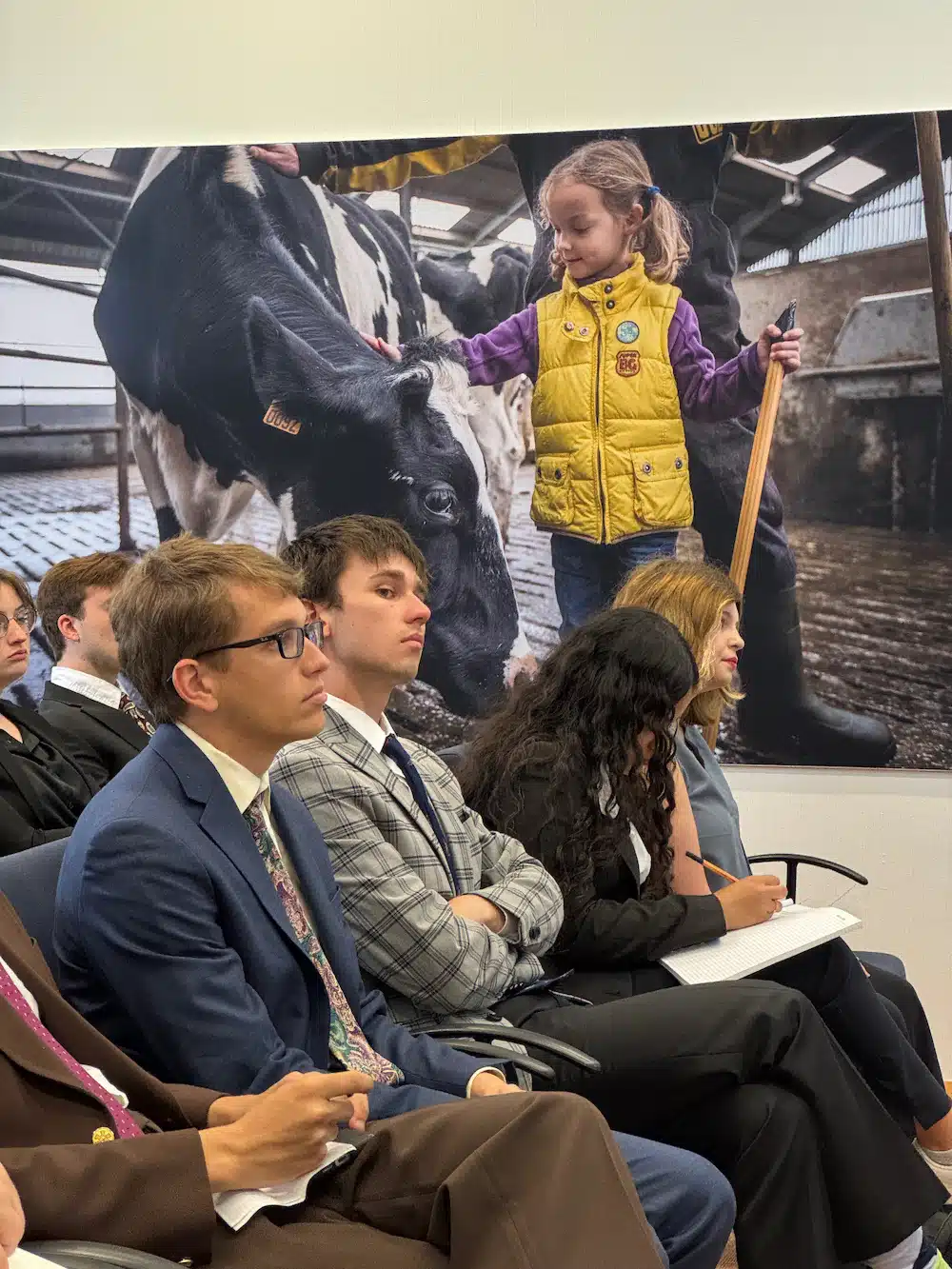
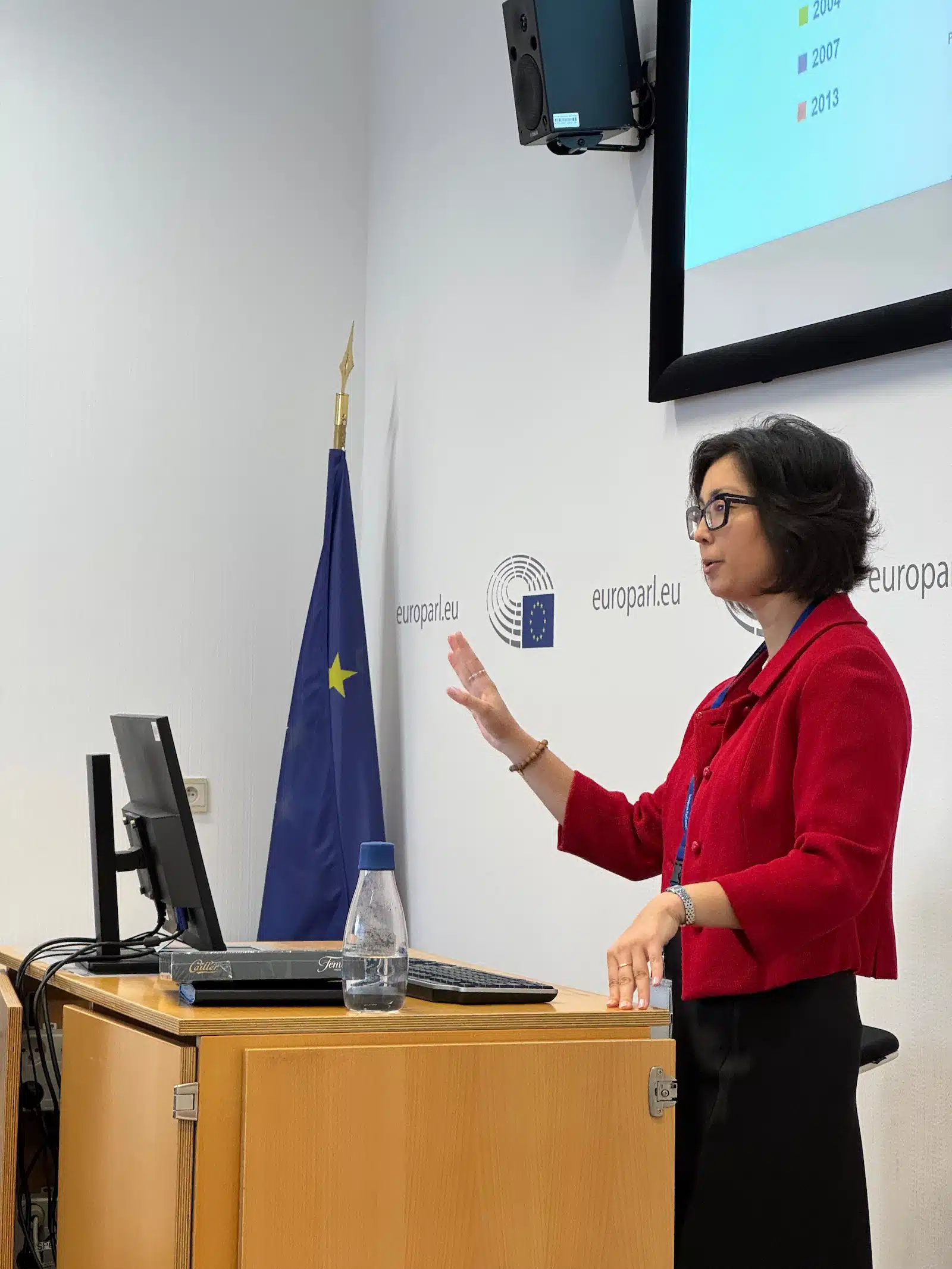
Study abroad in France, Belgium, and Germany, combining accredited coursework with site visits, lectures, and cultural experiences. Site visits include the European Parliament, the Council of Europe, the UN Environment Programme, and the Court of Human Rights. Evenings and weekends are free for homework and independent exploration.
Capstone Policy Paper
Synthesize your learning into a final policy paper, providing a tangible academic product and portfolio piece.
The Questions You’ll Explore
Global Environmental Justice dissects possible responses to today’s most pressing global issue: climate change.
- How should nations address climate change through international cooperation?
- What role should science play in public policy and political decision-making?
- How can governments balance environmental protection, economic development, and social equity?
- Why are environmental impacts experienced differently across countries and communities?
- How do international agreements create collective action on global environmental challenges?
We also examine environmental governance, biodiversity and conservation, sustainability, international environmental law, climate policy, and other contemporary environmental challenges.
Professional Development for International Careers
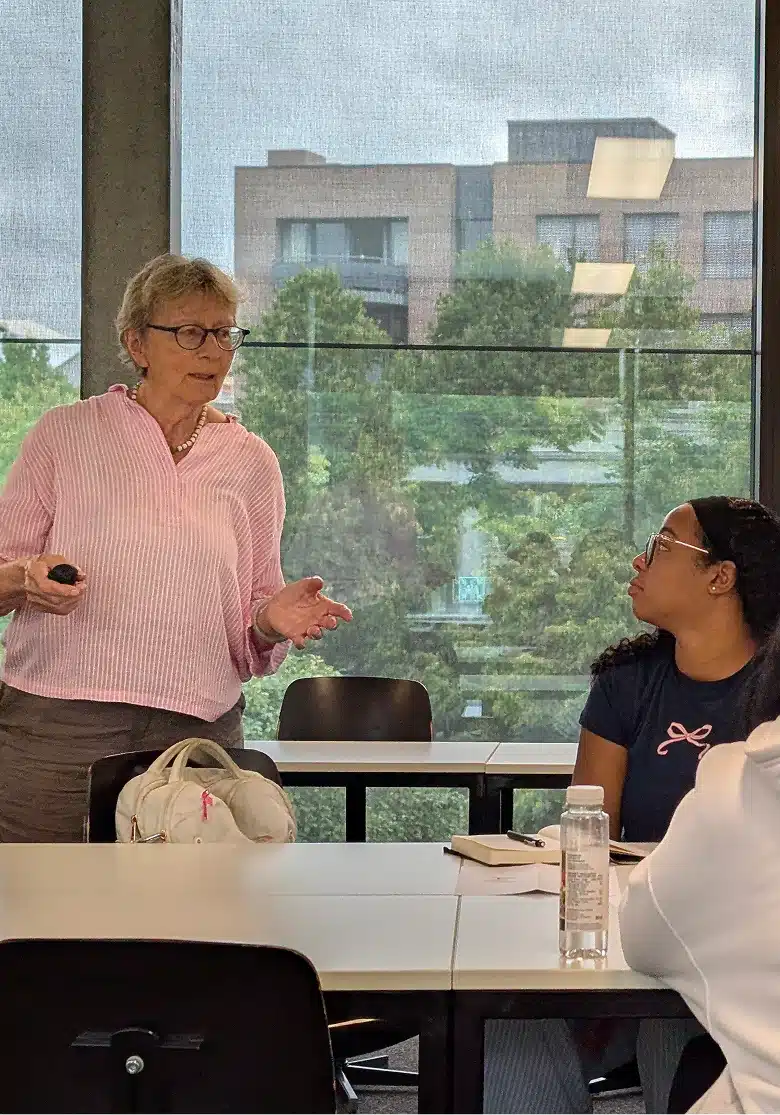
An Arclight education is designed to help students discover what’s possible. Through conversations with scientists, policymakers, international civil servants, researchers, and nonprofit leaders, participants gain firsthand insight into the many paths that lead to careers in environmental policy, sustainability, research, and international organizations. As practitioners share their own professional journeys, students begin to see themselves in these roles and develop a clearer understanding of the opportunities ahead.
Structured career development activities complement these conversations, helping students explore their options, prepare for graduate study, and take their next steps with confidence.
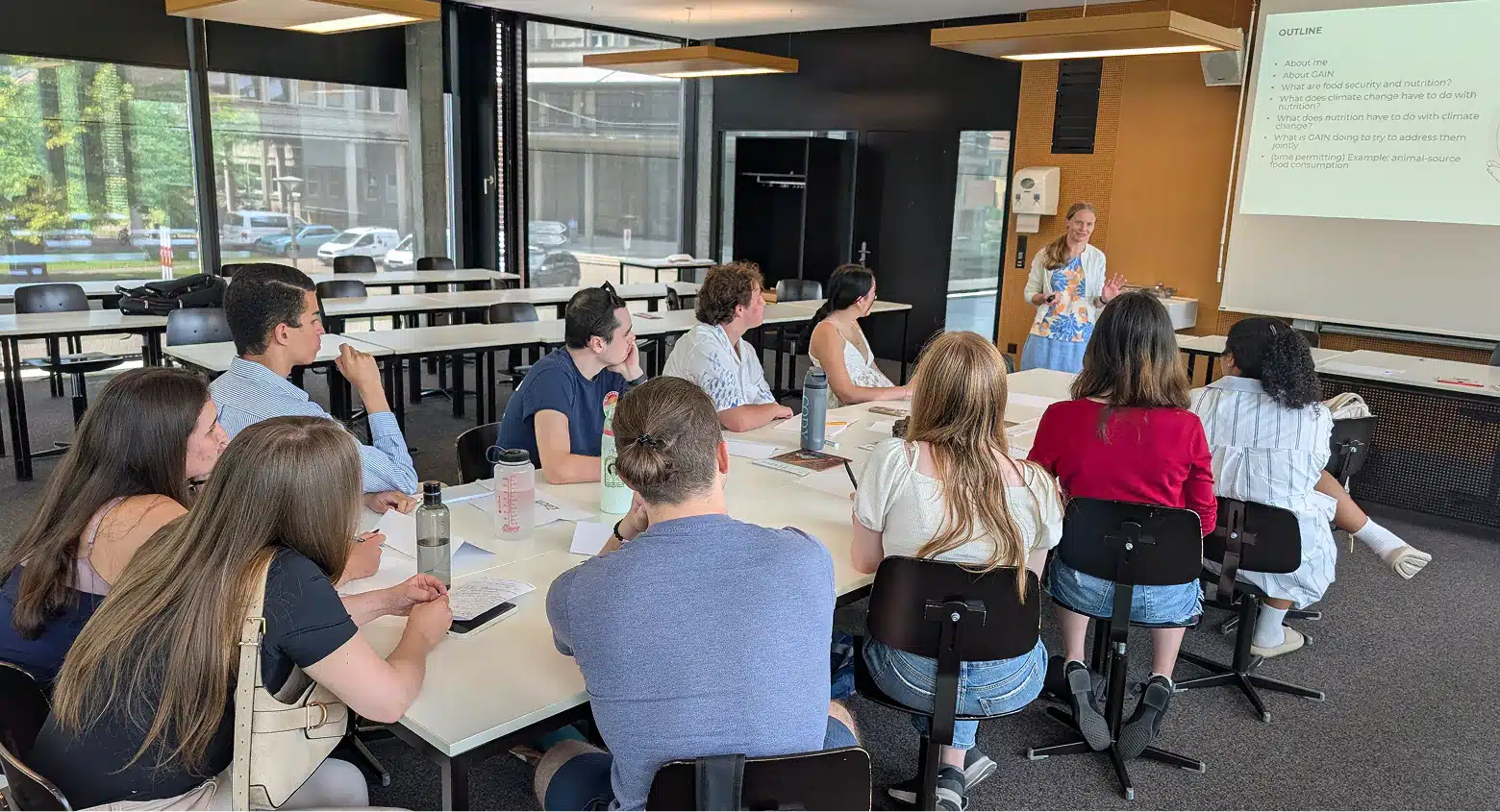
Participants leave with:
- An understanding of the many career pathways available in environmental policy, sustainability, government, nonprofit leadership, research, and international organizations.
- Firsthand insight from experienced practitioners who share the professional journeys that shaped their careers.
- Greater confidence envisioning themselves in environmental leadership roles and the steps required to pursue them.
- Practical tools for future success, including guidance for graduate study, internships, applications, interviews, and professional communication.
- Professional relationships with practitioners, researchers, and fellow participants that continue well beyond the program.
- A stronger foundation for building a meaningful career advancing environmental stewardship and global sustainability.
Student Testimonials


Frequently Asked Questions
Will this program help me find a job after graduation?
While no program can guarantee employment, many ISS alumni credit their experience with helping them land internships, graduate school placements, and even first jobs in government, law, and international organizations. Employers recognize the weight of studying security issues directly with practitioners at NATO, European Union Parliament, and other global institutions.
How does the program prepare me for my career?
You’ll strengthen your analytical and communication skills through applied coursework, debates, and a capstone policy paper. At the same time, private briefings with international organizations and mentoring from practitioners give you the insider perspective and professional confidence that employers value.
What careers do alumni pursue?
Our alumni have gone on to careers in diplomacy, international law, environmental policy, NGOs, public service, and academia. Many credit the program with helping them clarify their career goals and build the networks to achieve them.
Who will we meet during our time abroad?
Each year’s agenda responds to the most pressing global challenges, but past cohorts have met an inspiring range of leaders: Ian Charles Stewart, venture capitalist and WIRED Magazine co-founder; climate scientists at the World Meteorological Organization; plaintiffs from KlimaSeniorinnen, who successfully sued Switzerland in EU courts to strengthen climate protections; members of the Swiss Green Party; officers from the Pew Charitable Trust advancing public–private climate partnerships; and experts on migration, agriculture, and food security from the UN FAO, the World Food Programme (WFP), and other organizations.
What site visits and events are included?
The program blends academics with unforgettable experiences. In past years, students have toured the Swiss parliament in Bern, attended seminars at the World Meteorological Organization in Geneva, met with experts at the FAO and WFP in Rome, explored the Capitoline Museum and ancient sites in Rome, and taken a scenic gondola and railway to Jungfraujoch Mountain and the Aletsch Glacier — a UNESCO World Heritage Site and the highlight of the program, complete with a lecture delivered on the glacier itself.
What should I bring for classes?
Pack a laptop, notebooks, and writing utensils for assignments, plus any readings provided before departure. Reliable Wi-Fi is available throughout the chateau, so you’ll want your laptop handy for research, writing, and group projects.